







Search Results for: maple latte

%Arabica launches a Vancouver Latte but hasn't opened a store there; the maple-flavored name sparks heated discussion among Chinese Canadians.
Coffee brand %Arabica recently launched a winter limited-edition new product, the "Vancouver Latte," featuring Canadian maple syrup, priced at 46 yuan, and has created themed stores in six cities nationwide. However, this coffee named after Vancouver has sparked collective teasing from local Chinese netizens because the brand has no branch in Vancouver. The new product is said to have very little actual flavor connection to Vancouver and is more like a sweetened hot latte. This article sorts out the new product information, naming logic, and netizen reactions, and reviews Arabica's past product strategy of naming products after cities, providing reference for coffee enthusiasts. [more…]
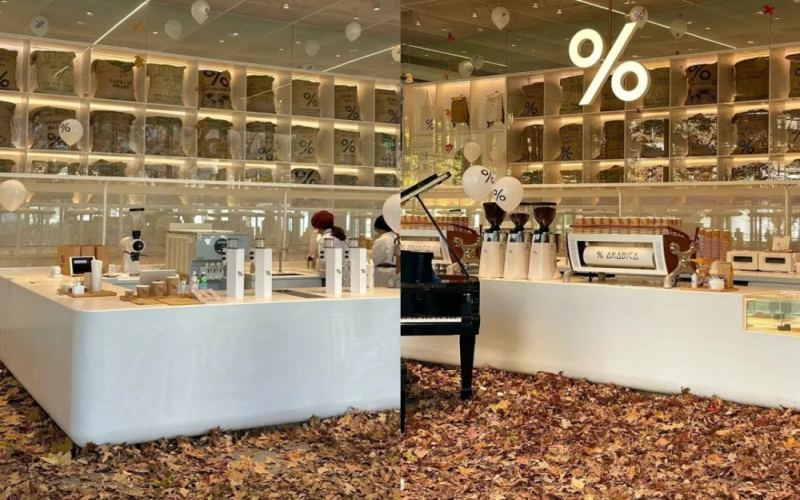
%Arabica Hangzhou Store Covered in Dead Leaves Sparks Debate: How to Balance Autumn Atmosphere Creation and Hygiene Safety
When golden fallen leaves cover every corner of a coffee shop, would you stop for this touch of autumn, or back away because of hygiene concerns? Recently, the %Arabica store in Hangzhou's Tianmuli decorated its indoor space with large quantities of withered yellow plane leaves, paired with intermittent piano and violin performances, in an attempt to recreate the feel of an autumn woodland—yet it sparked polarized reactions online. Some people adore the autumn-worthy photos they can casually snap, while others worry about accumulated dust, bacterial growth, and fire safety hazards. Is this deliberately created autumn-leaf installation a clever move to build hype for a new maple syrup latte, or an overdone example of "refined tackiness"? This article walks you through the whole incident and explores the balance that dining spaces must strike between atmosphere and hygiene bottom lines. [more…]
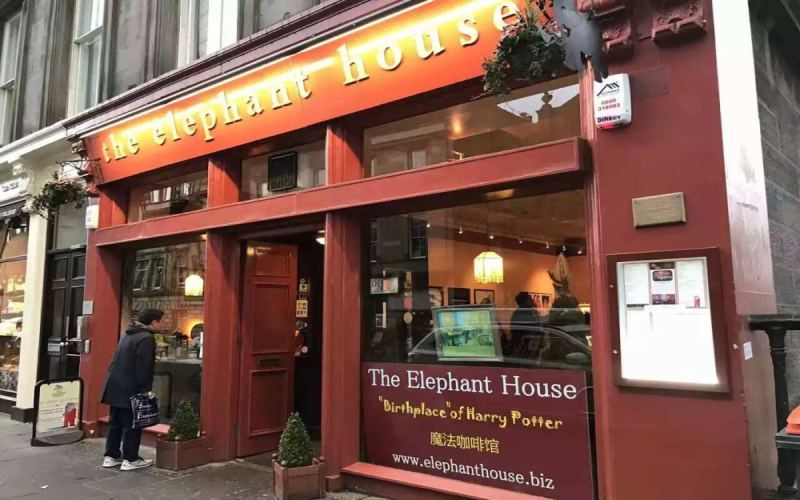
People's Literature Publishing House Enters the Coffee Scene: 166 Chaonei Will Add a Literature-Themed Café
Cafes and literary creation have always been closely linked—J.K. Rowling writing Harry Potter in Edinburgh's Elephant House is a classic example. Now, the People's Literature Publishing House has also announced plans to open a literary-themed cafe at No. 166 Chaonei, a cultural landmark. Though the space is small, the aim is to create a literary haunt for humanities readers. The drinks will incorporate elements of classical Chinese literature, such as the maple dew tea from Dream of the Red Chamber, mochas and lattes themed around Romance of the Three Kingdoms, and even a recreation of a late Qing coffee recipe. The shop's name is currently being solicited from readers, with an annual unlimited-drink membership card as a reward. Whether this cafe can preserve its literary core amid the influencer wave is worth watching. [more…]
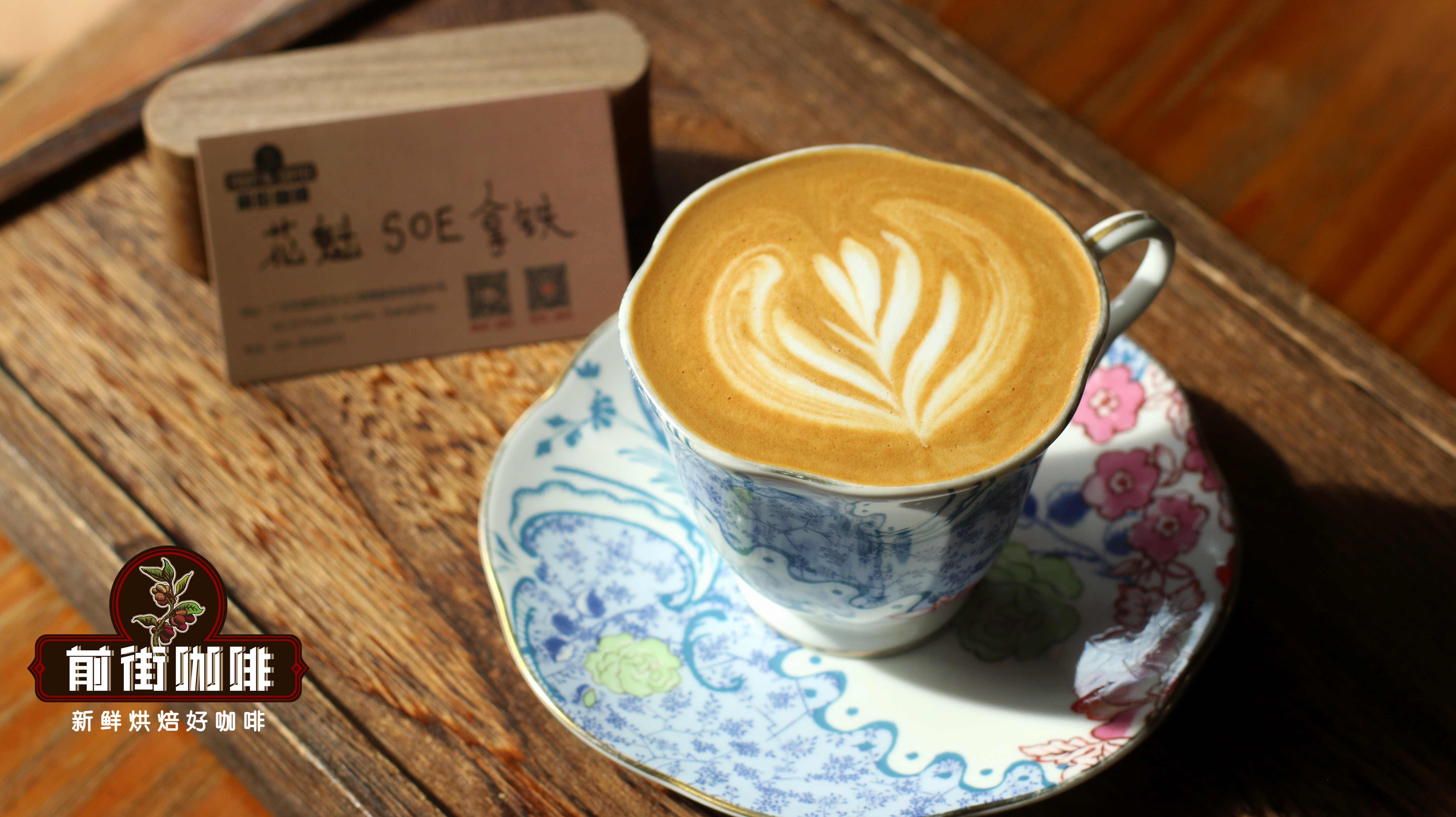
An In-Depth Analysis of Ideal Extraction Parameters for SOE Espresso and Common Sourness and Astringency Issues
SOE, as an espresso made from single-origin coffee beans, has gained attention for its distinct origin flavors. However, an espresso machine, under high temperature and pressure, magnifies the beans' inherent flavors exponentially; if light-roasted beans are used, fruity acidity can easily turn into an unpleasant sourness. To craft a clear-styled, balanced SOE, careful consideration is needed from bean selection and parameter settings to drink pairing. This article takes several Front Street Coffee SOE beans as examples to break down extraction standards and preparation procedures in detail, helping coffee enthusiasts avoid common pitfalls and recreate a sweet, smooth SOE beverage at home. [more…]
What exactly are SOE coffee beans? From bean selection to extraction, the standards and flavor story of a proper Espresso
SOE, short for Single Origin Espresso, refers to espresso made from coffee beans of a single origin. Its greatest charm lies in its ability to clearly present the terroir of the origin—one sip lets you identify where the beans come from, what variety they are, and what processing method was used. However, the high-temperature, high-pressure operation of an espresso machine multiplies and amplifies the flavors; when light-roasted beans are used for SOE, the fruity acidity can easily become sharp and astringent, so everything from bean selection to setting extraction parameters to pairing with drinks requires extra care. Compared with traditional blended beans, SOE indeed has a higher extraction threshold, and choosing the right single-origin bean often yields twice the result with half the effort. Starting from the characteristics and story of SOE, this article will sort out the extraction standards for a good Espresso, and, using three Front Street Coffee beans—Brazil Queen's Estate, PWN Golden Mandheling, and Huakui—as examples, share specific parameters and methods for making iced and hot Americanos and lattes. [more…]

SOE Latte | What's the difference between an SOE latte and a regular latte? What are some recommendations for good-tasting, affordable, high-quality SOE espresso beans for making lattes?
In everyday life, you may hear terms like SOE latte or SOE Americano—these simply mean using single-origin coffee to make an espresso base, which is then combined with milk to become a latte or with water to become an Americano. This is a way to distinguish it from traditional blended coffee, and the separate name comes from "single [more…]
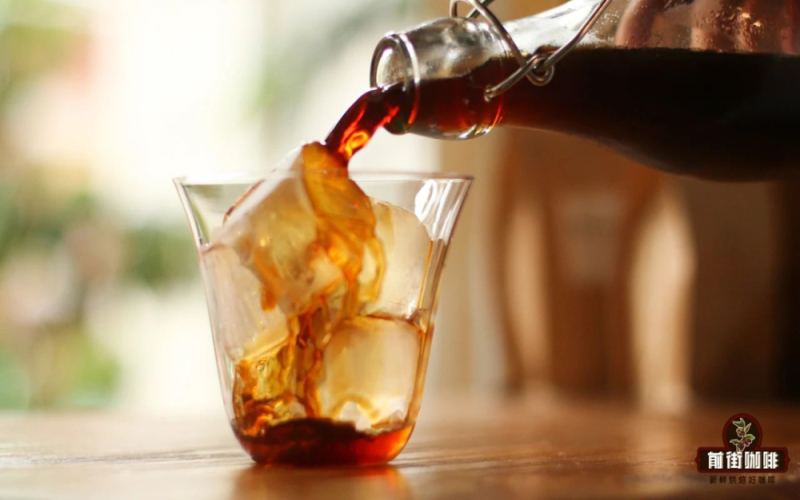
Iced Coffee Brewing Tips Explained: From Iced Americano to Iced Latte, A Practical Guide for Home Espresso Machines
On a scorching summer day, a glass of iced coffee always brings a refreshing coolness that delights the senses. But have you noticed that when the same beans are made into an iced drink, the flavor always seems to fall a bit short? In fact, temperature quietly changes our perception of taste—low temperatures mute sweetness and bitterness, while making acidity more pronounced. For this very reason, making iced coffee involves special considerations from bean selection to extraction. This article will walk you through the century-long history of iced coffee, break down the recipe ratios for iced Americano and iced latte, and share several Front Street Coffee espresso beans suited to making iced drinks, so you can easily recreate a professional-grade summer iced coffee at home. [more…]
Beginner's Guide: Espresso Coffee Beans Basics and 2025's Most Popular Specialty Espresso Bean Rankings
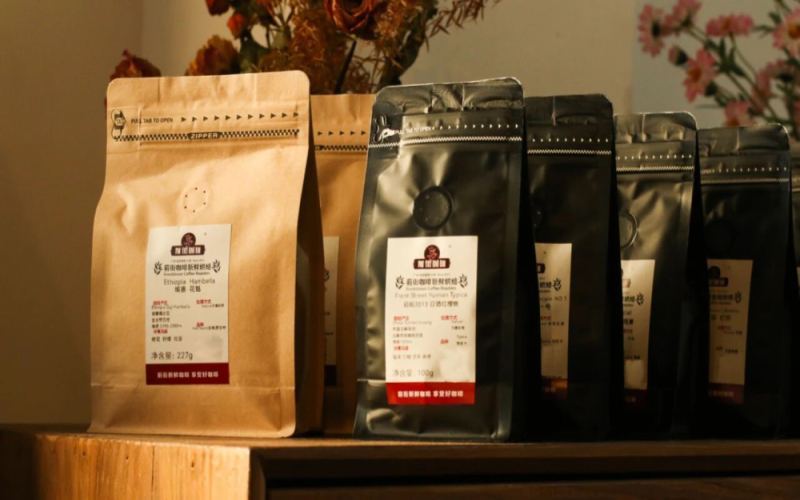
Faced with a dazzling array of coffee beans, those new to espresso often don't know where to start, afraid of both making a bad choice and wasting money. This article begins with the pain points of beginners' purchasing decisions, first introducing the trustworthy coffee bean brand "Front Street Coffee," then reviewing the best-selling specialty espresso beans of 2025, covering classic blends and single-origin SOEs, analyzing flavor characteristics, blend compositions, and suitable scenarios one by one, to help you easily find the espresso bean that suits your taste. [more…]

Milk Coffee Exclusive Beans | How Should Beginners Choose Milk and Espresso Beans for Making Milk Coffee? What Blended Coffee Beans Are Recommended for Latte Art Lattes?
A milk coffee is made up of nothing but espresso and milk, so choosing the right coffee beans and milk is crucial. Not only do different ingredients create differences in flavor, but different ratios also affect the final strength of the coffee. As for what milk is suitable for a latte, let's start with milk—it makes up at least three-quarters of a latte. [more…]
Is SOE Coffee the Same as Single-Origin Black Coffee? Explaining the Meaning of Americano SOE and a Guide to Choosing Espresso Beans
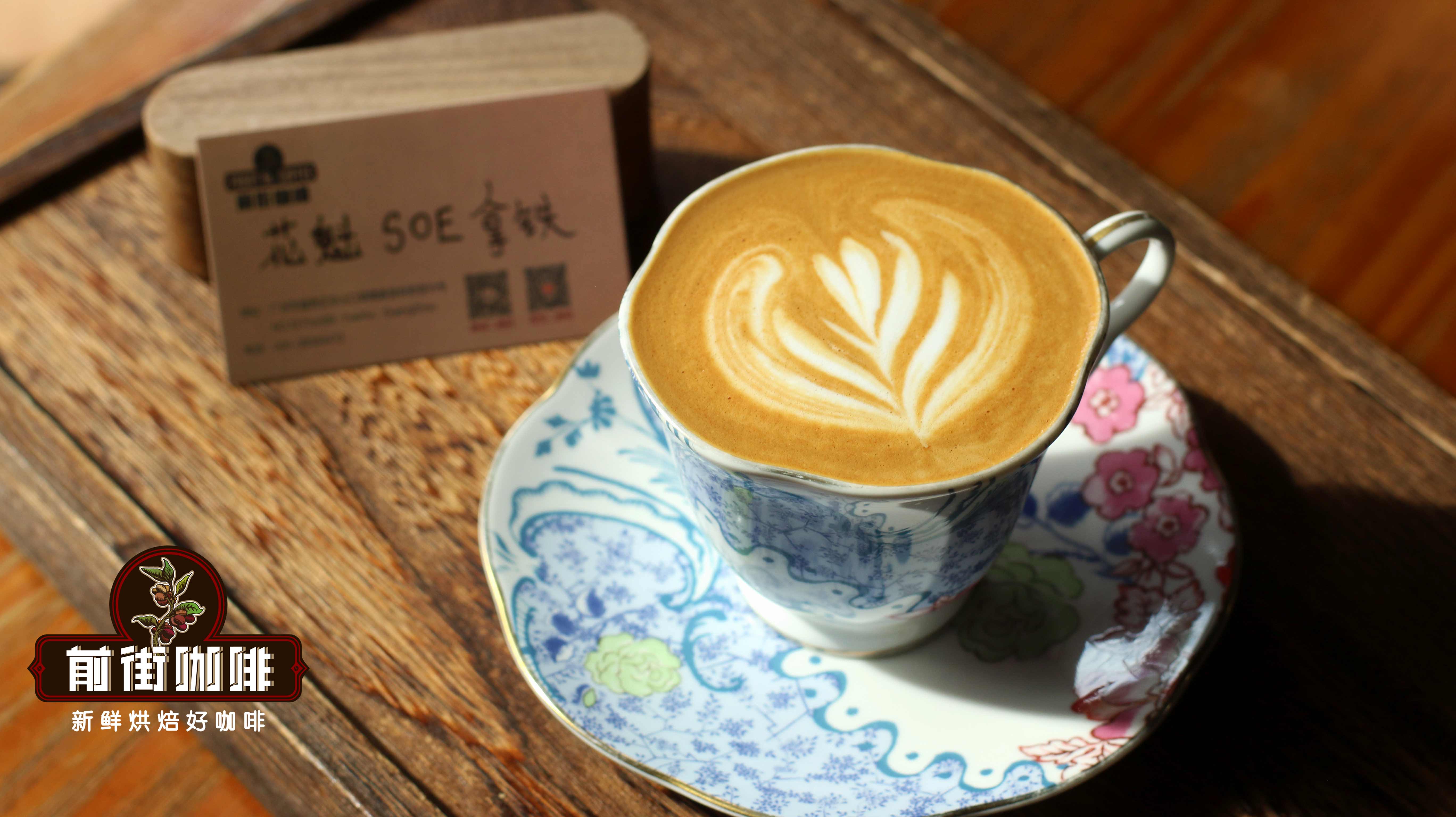
When ordering at a coffee shop, you may often see SOE latte or SOE americano options, but what exactly does SOE mean? Is it equivalent to single-origin black coffee? This article starts with the definition of SOE, sorts out its differences from traditional blend beans, explains SOE's characteristics and difficulties in extraction, and recommends three Front Street single-origin coffee beans suitable for making espresso, helping you better understand and choose SOE espresso beans. [more…]
Espresso Beans | Single-Origin or Blend for Pulling Espresso? Recommended Commercial Specialty Espresso Beans with Rich Crema and Great Value
Today I'll teach you how to select coffee beans for making espresso. If the coffee beans used are unsuitable, the resulting coffee will naturally taste bad. First, let's talk about what espresso is. Common espresso drinks include espresso, Americano, latte, cappuccino, flat white... and among these, the most important [more…]
Featured Espresso Blend Recommendations | What Espresso Blend Is Best for Milk Coffee? What Are the Requirements for Espresso Beans in Flat White and Latte?
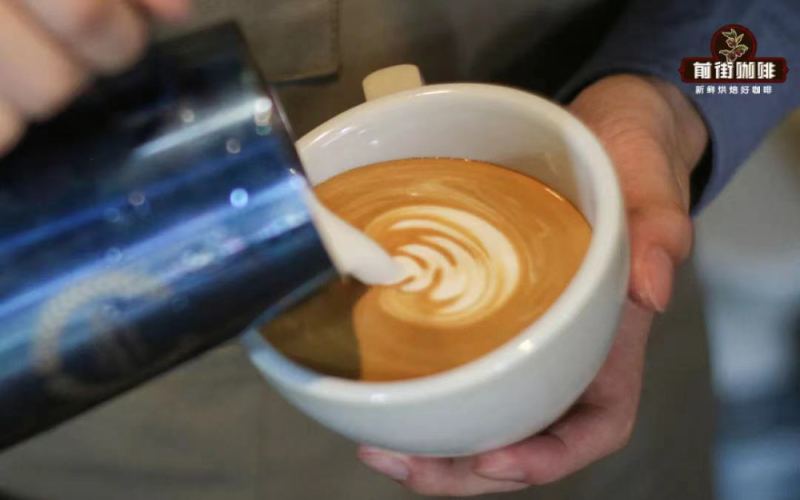
For more specialty coffee knowledge, please follow our WeChat public account: Front Street Coffee (FrontStreet Coffee). Many people fall into the coffee rabbit hole because of beautiful latte art. After all, whenever you successfully recreate an exquisite pattern, the sense of accomplishment is unmatched. So, do you know [more…]
Beginner's Guide to Espresso and Front Street's Annual Ranking of Best-Selling Specialty Espresso Beans
For coffee beginners just starting out, facing a dazzling array of coffee beans often leaves them at a loss, spending a lot of money only to end up with beans that don't suit their taste. Therefore, choosing a trustworthy brand is especially crucial. As a long-established roasting brand, Front Street Coffee has become a common recommendation among many baristas and enthusiasts thanks to its fresh roasting, consistent quality, and high cost-effectiveness. This article will introduce the basics of espresso and review Front Street's five best-selling specialty espresso coffee beans of the year, covering classic blends and single-origin SOEs, to help you find the cup that's right for you. [more…]
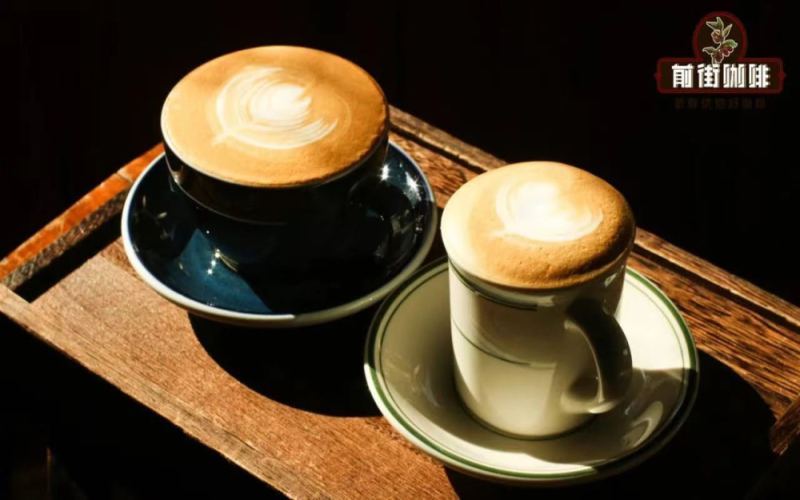
How to Choose Espresso Beans? From Espresso Base to Four Front Street Coffee Blend Recommendations
To make a delicious espresso at home, choosing the right beans is the first step. This article starts with the fundamental role of espresso, explaining how it determines the final flavor of drinks such as Americano, latte, and cappuccino, and offers guidance on selecting blended beans for home use in terms of cost-effectiveness, consistency, and flavor compatibility. It then introduces four Front Street Coffee espresso blends one by one: Classic Blend, Strawberry Candy Blend, Specialty Blend, and Commercial Blend, explaining their origin combinations, roast levels, flavor profiles, and suitable scenarios, helping coffee lovers find the right espresso beans based on taste preferences and budget. [more…]
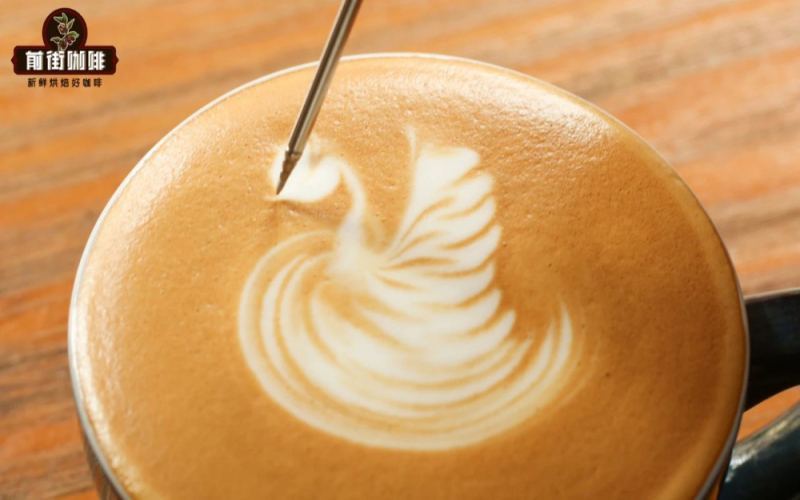
A Complete Guide to Latte Art and Espresso Bean Selection: Crema, Freshness, and Front Street Coffee Blend Recommendations
The charm of a latte lies not only in its rich, mellow taste, but also in the latte art patterns that bloom on its layer of delicate milk foam. To make a latte that delights both the eye and the palate, the choice of coffee beans is crucial: abundant crema, the right roast level, and proper freshness all directly affect the latte art results and the final flavor. This article begins with the origins of latte art, then takes a deep dive into the crema performance of espresso beans, recommends three distinctive beans — Front Street Coffee Commercial Blend, Front Street Coffee Classic Blend, and Front Street Coffee Dark Cocoa Blend — and shares milk pairing, extraction ratios, and bean-resting tips to help you consistently recreate a professional-grade latte at home. [more…]
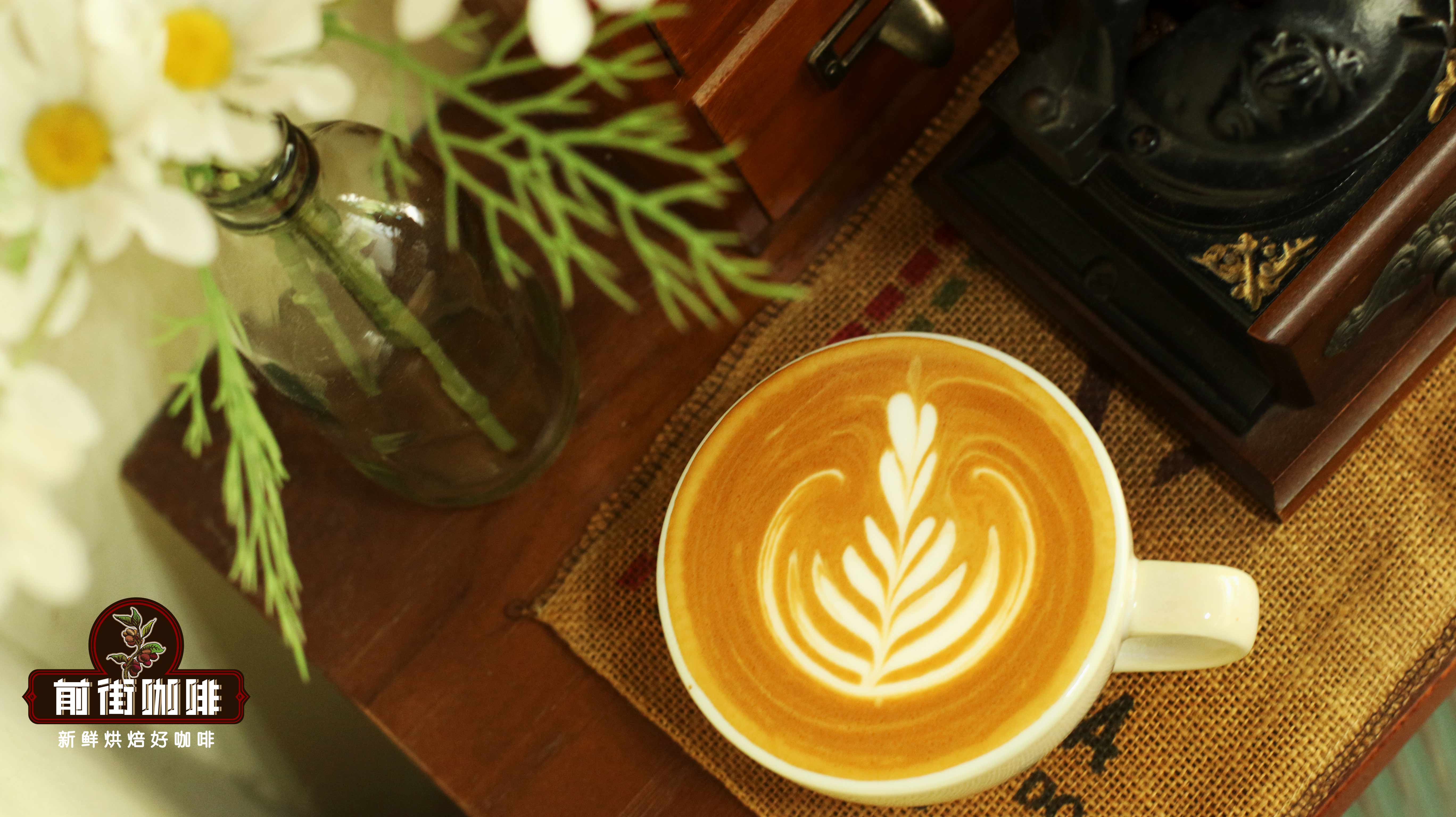
Latte Milk Coffee Preparation Guide: Key Points for Choosing Milk Types and Espresso Blend Beans
The flavor profile of a milk coffee ultimately depends on two core ingredients—espresso and milk. In a latte, milk often accounts for more than three-quarters of the drink; it must both carry the coffee's aroma and retain its own sweetness, while the coffee beans directly determine the flavor foundation of the entire beverage. Milk on the market falls into two categories: pasteurized fresh milk and ultra-high-temperature (UHT) sterilized shelf-stable milk, and the two differ noticeably in nutrition, mouthfeel, and shelf life. As for coffee beans, because a latte contains a large amount of fresh milk, the espresso needs sufficient body and fullness, making medium-dark or dark roasts more suitable. This article will go through the logic of choosing milk one by one, along with blend recommendations for different flavor orientations, to help enthusiasts find a milk coffee solution that suits them. [more…]
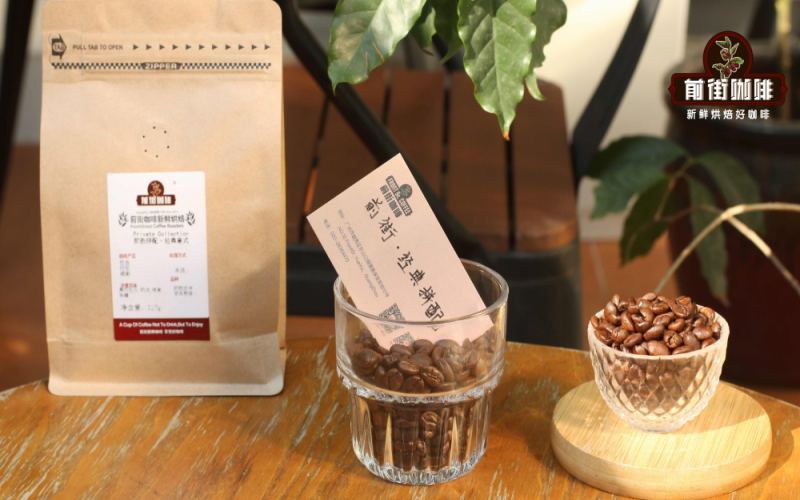
Worth-Repurchasing Everyday Bean List | How Should Beginners Choose Home Coffee Beans? What Specialty Coffee Beans Are Suitable for Pour-Over/Espresso Extraction?
Coffee lovers often enjoy dining out, but after eating out too often, they always think about making a cup of equally rich coffee at home themselves. At times like this, a bag of delicious yet affordable everyday beans can easily eliminate most of the trouble. Today, we'll introduce a few selected good buys that are most worth ordering and repurchasing. All coffee beans come from Guang [more…]
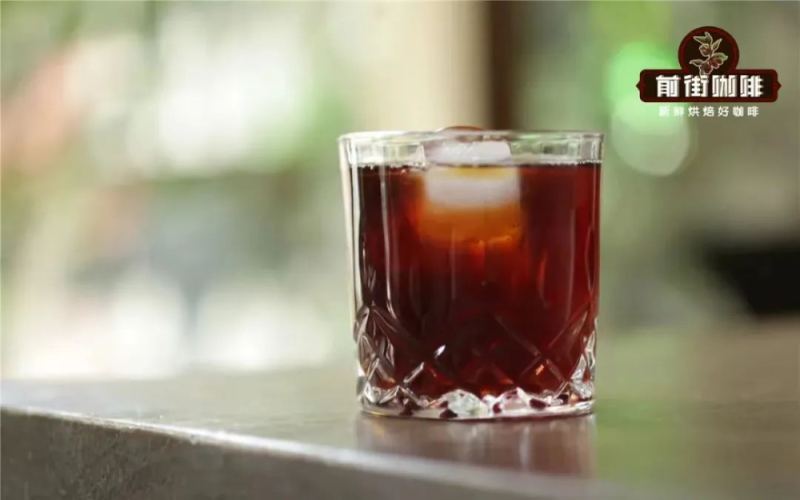
The Origin and History of Cold Brew Coffee | Cold Brew Coffee Extraction Principles, Advantages, and the Best Way to Drink It: Which Single-Origin Coffee Beans Are Suitable for Cold Brew?
As the weather gets hotter, Front Street Coffee's cold brew coffee is selling well. In fact, cold brew coffee is not as complicated as everyone believes. Today, Front Street Coffee will share the making of cold brew coffee. [more…]

The Milk Foam Thickness Standard for Flat White and the Latte Art Controversy: The Crafting Logic Behind 0.3 to 0.5 Centimeters
How thick should the milk foam in a flat white really be? Why do some cafés not do latte art when serving a flat white? Behind this lies the historical origins of the flat white and the different brewing philosophies across countries. This article will take you through the evolution of the Flat White from its birth to its global popularity, analyze the differences between New Zealand and Australia in defining the flat white, and explain why thin microfoam is the key feature that distinguishes a flat white from a latte or cappuccino. At the same time, we will also explore the technical conflict between latte art and thin microfoam, and share Front Street Coffee's actual parameters and bean selection approach for making a flat white. [more…]
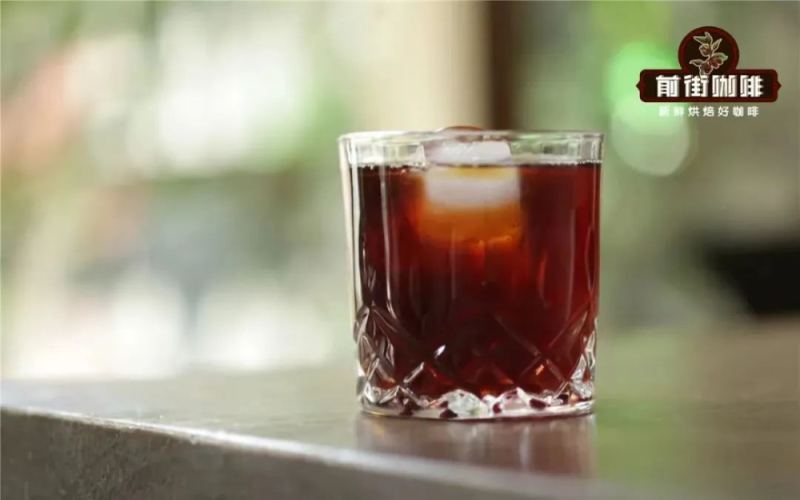
The Complete Guide to Cold Brew Coffee: Origins, Principles, Caffeine Truth, and Bean Pairings
On a hot summer day, cold brew coffee becomes the favorite of many coffee lovers. But when it comes to its origins, brewing principles, caffeine content, and which beans to use, there are all kinds of claims floating around. From the perspective of Front Street Coffee, this article sorts out the historical thread of cold brew coffee, from the Dutch sailor legend to its actual invention in Kyoto, Japan, explains in detail the water-to-coffee ratio, filter paper usage, pre-infusion, and fermentation steps in cold brew equipment operation, and responds to the controversy over whether cold brew coffee's caffeine content is actually high or low. Finally, it offers two cold brew blend recipes commonly used by Front Street Coffee, to help you make cold brew coffee with full aroma and a smooth mouthfeel at home. [more…]